The Playful Workspace: What Casumo's Design Culture Can Teach Desk Setup Enthusiasts
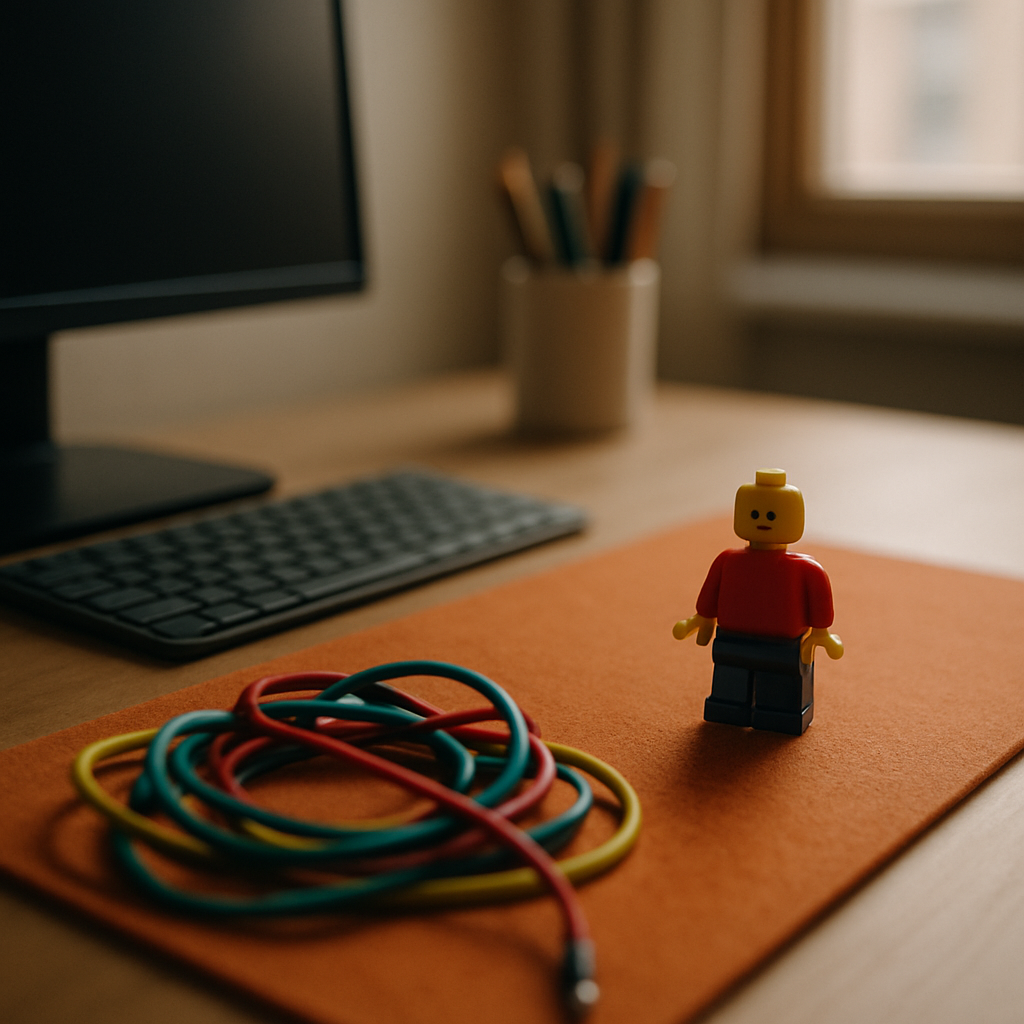
Desk setup culture takes itself rather seriously. Scroll through workspace communities and you will find endless debates about ergonomic angles, cable routing and the correct shade of desk mat — all valuable, but often missing an ingredient that some of the best design organisations treat as essential: play. One of the more interesting examples comes from an unexpected corner of the digital world. Casumo, the Malta-based online casino and gaming company founded in 2012, built its entire reputation on making a functional product feel joyful — and the thinking behind that approach translates surprisingly well to the desks we sit at every day.
A Brand Built on Deliberate Playfulness
When Casumo launched, its industry was dominated by dark interfaces, aggressive flashing banners and a visual language borrowed from Las Vegas at its loudest. The founders, drawing on Scandinavian design sensibilities, went the opposite way: soft pastel colours, generous white space, rounded friendly shapes and a mascot-led identity that felt closer to a children's book than a betting site. It was a genuine risk, and it worked precisely because it was coherent — every element, from typography to animation, committed to the same warm, whimsical tone.
The lesson for workspace design is not that your desk needs a mascot. It is that a strong aesthetic point of view, applied consistently, beats a collection of individually impressive parts. A setup where the keyboard, desk mat, wall art and lighting all speak the same visual language will always feel more resolved than one assembled from unrelated best-in-class products. Decide what your desk's personality is, then let that decision make your purchasing choices for you.
Gamification and the Motivation of Small Rewards
The other pillar of Casumo's design reputation is gamified user experience: progress bars, levels, small celebrations and a sense of journey layered over the core product. Whatever you think of the industry it operates in, the psychological insight is sound — humans are motivated by visible progress and small, well-timed rewards.
Desk workers can borrow this directly. Some already do without realising it: the habit tracker on the wall, the analogue task board where cards physically move to a done column, the pomodoro timer that turns focus into completed rounds. Making progress visible at your desk — on paper, on a whiteboard, on a small e-ink dashboard — converts abstract work into something you can watch accumulate, and that changes how a long day feels. The trick, which good gamification understands, is keeping rewards honest and proportionate. A ritual coffee after a deep work block works because the block was real.
Warmth as a Design Strategy
Look at photographs of the working environments Casumo became known for during its growth years — its Malta headquarters and later its Barcelona hub — and you see the brand's interface philosophy translated into physical space: colour used generously but cohesively, communal areas that invite lingering, and furniture chosen to feel human rather than corporate. The company understood early that the environment people work in communicates the same message as the product they build.
Home desk setups can absorb this idea at any budget. Warmth comes from texture and light more than from money: a wooden surface instead of cold laminate, a lamp with a warm bulb instead of a bare overhead light, one genuinely personal object in view. The minimalist all-grey battlestation photographs beautifully, but many people quietly find it a joyless place to spend eight hours. Adding one deliberate note of softness or humour — a colour you love, a small absurd figurine, art that makes you smile — costs nothing and changes the emotional temperature of the space.
Character Without Clutter
There is a counter-argument worth taking seriously: playfulness can slide into noise. Casumo's designers navigated this with discipline — the whimsy lives within a rigorously tidy structure, plenty of breathing room, and a restrained palette. Character was added by intention, never by accumulation.
That balance is exactly the challenge of a personality-rich desk. The difference between charming and chaotic is curation: three meaningful objects displayed with space around them read as character, while fifteen read as clutter. A practical rule that echoes the brand's approach is to choose a small, fixed palette and a small, rotating cast of personal items, and let everything else stay quiet.
Permission to Enjoy Your Desk
Perhaps the most useful takeaway from the Casumo story is simply permission. A company in one of the most conservative-looking digital industries proved that warmth, colour and play were not unprofessional — they were a competitive advantage, and they made the everyday experience of using the product measurably more pleasant.
Your desk is a product you use every day. It deserves the same thinking. Get the ergonomics right, manage the cables, choose the good monitor — and then, deliberately, make the space enjoyable. A workspace that makes you smile when you sit down is not a frivolous indulgence. As one playful Scandinavian-minded design team demonstrated, it might be the most functional feature of all.