Creating Child-Friendly Home Workspaces: Balancing Work and Parenting
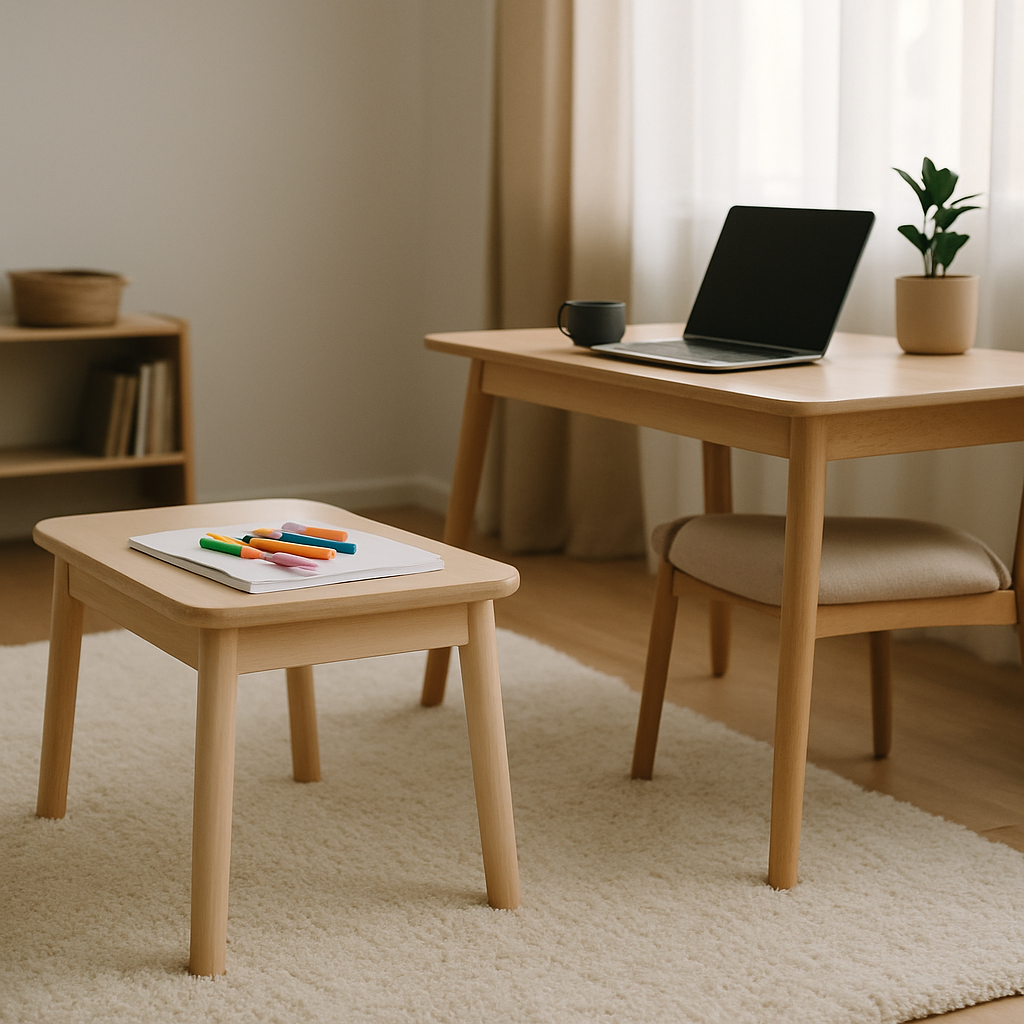
As the trend of remote working continues to grow, so does the challenge of creating an effective workspace at home, especially for parents with young children. Balancing professional responsibilities while keeping children engaged and safe is no small feat. A child-friendly home workspace must seamlessly blend productivity with parenting. Such a setup not only enhances work efficiency but also allows parents to be present and attentive to their children. The task involves more than just buying a comfortable office chair or desk; it requires thoughtful planning and execution to ensure that the workspace fosters a harmonious environment where both work and parenting duties can coexist peacefully.
Designing a Safe and Practical Workspace
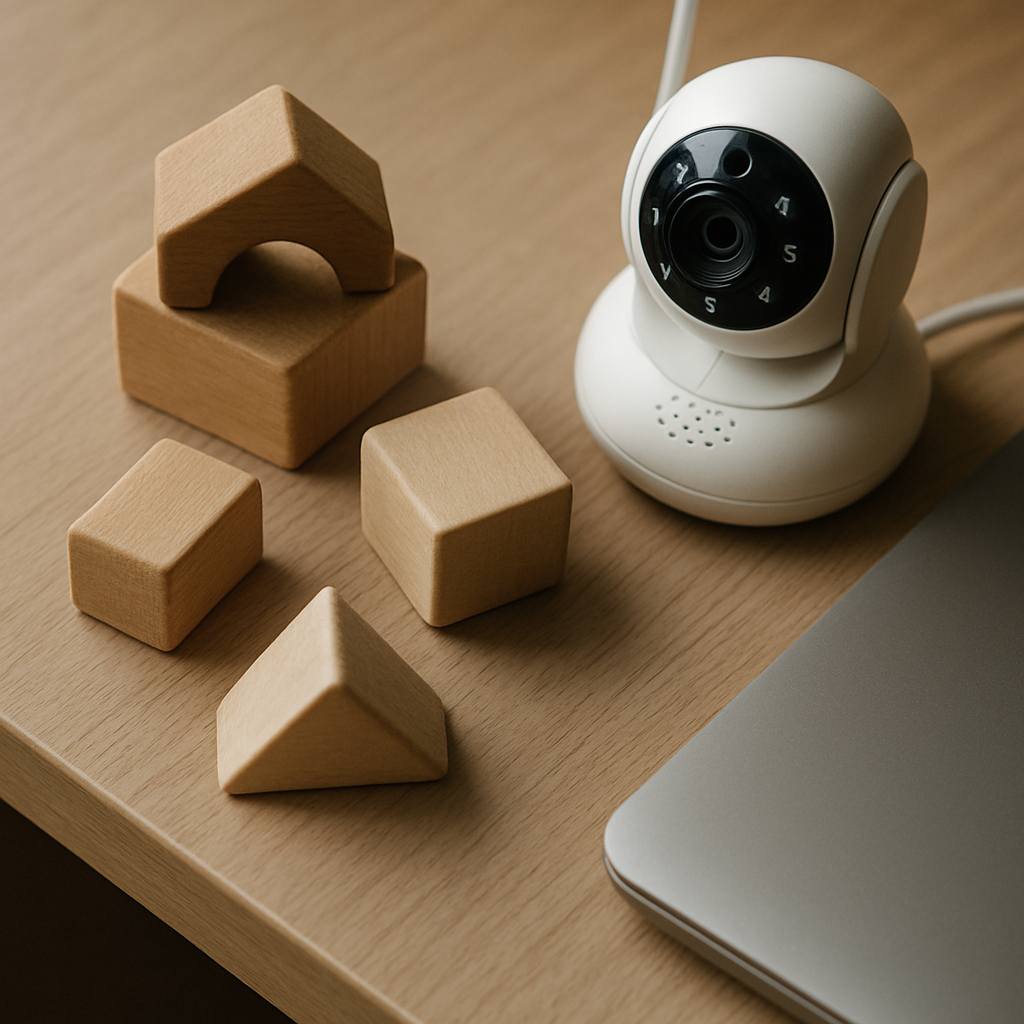
When crafting a home workspace suitable for both work and parenting, safety should be a foremost consideration. Parents need to ensure that their work area is devoid of hazards that could endanger curious little ones. This means securing cables, covering electrical outlets, and ensuring that heavy equipment like monitors and printers are stable and out of reach. Companies such as IKEA offer a range of desk accessories designed with safety in mind, including cable management systems that keep cords organized and out of sight.
Beyond safety, practicality plays a crucial role in workspace design. A dual-purpose area that allows for both focused work and child-friendly activities is ideal. Consider incorporating furniture that serves multiple functions, such as a desk with sufficient storage for office supplies and toys. Standing desks, offered by brands like FlexiSpot, are adjustable and can be adapted for sitting or standing, making them versatile choices for parents who need to juggle various tasks.
The workspace should also accommodate the need for quiet and concentration, which can be achieved through strategic placement. Positioning the desk in a low-traffic area of the home can minimize distractions. Adding noise-canceling panels or even a simple DIY partition can further help shield the workspace from household commotion. By meticulously designing a space that is both safe and practical, parents can create an environment that supports their dual roles effectively.
Integrating Child-Friendly Elements
To foster a positive environment for both work and play, integrating child-friendly elements into the workspace is essential. Having a dedicated area for children within the workspace can keep them engaged without disrupting work. This might include a small table with coloring books, puzzles, or educational toys that align with their interests. Companies like Melissa & Doug specialize in educational toys that can keep children occupied for significant periods.
Incorporating visual elements that appeal to children can also make the workspace more inviting. Bright colors, artwork, or even a wall decal can create an atmosphere that is stimulating but not distracting. It can be beneficial to involve children in decorating this part of the space, giving them a sense of ownership and responsibility.
Flexibility is another key aspect. Having a workspace that can be easily reconfigured to suit the needs of both parents and children is invaluable. This might mean incorporating foldable furniture or movable storage units that can be adjusted according to the day's activities. By integrating child-friendly elements thoughtfully, parents can ensure that their home office is a place where work and family life coexist fluidly, encouraging productivity while nurturing family bonds.
Establishing Routine and Boundaries
Routines and boundaries are vital in maintaining a productive workspace at home that accommodates children. Establishing a consistent schedule helps children understand when it's time for work and when it's time for play. Using visual schedules or clocks can help young children grasp the concept of time management. Brands like Time Timer offer easy-to-read clocks that visually depict the progression of time, making them ideal for teaching children about schedules.
Clear boundaries between work and family time can also prevent interruptions during critical tasks. Communicating these boundaries effectively to children requires patience and creativity. It can be beneficial to use a simple signal, like a door hanger or a specific lamp color, to indicate when quiet time is necessary. This visual cue can help children learn to respect work time while still feeling assured of their importance in the family dynamic.
Regular breaks are equally important. Short, scheduled intervals for family interaction can be refreshing and help reset focus. For instance, stepping away for a quick walk or brief play session provides a balance that is beneficial to both parent and child. By establishing a routine and clear boundaries, the workspace becomes a place where both work and family life can thrive, reducing stress while enhancing productivity.
Leveraging Technology for Efficiency
In the modern home office, technology plays a pivotal role in optimizing productivity and maintaining work-life balance. Parents can leverage various tools and applications to streamline their work and remain attentive to their children's needs. Video conferencing platforms like Zoom allow for remote meetings, while project management tools such as Trello or Asana help organize tasks and deadlines efficiently, freeing up more time for family engagement.
For the tech-savvy parent, smart home devices can offer significant advantages. Devices like the Amazon Echo or Google Nest can perform tasks such as setting reminders, managing calendars, or even playing children's audiobooks or educational content. These devices can also help control environmental factors, like lighting or background music, to create an optimal work atmosphere.
Educational apps can keep children engaged while providing learning opportunities. Apps such as ABCmouse offer extensive learning activities for young children, aiding in their development. Parents can monitor progress and allocate specific times for educational app use, ensuring that screen time remains productive. Embracing technology in the home workspace not only enhances efficiency but also supports the dual demands of work and parenting, making it a valuable ally for today’s working parent.
Encouraging Independence and Creativity
One of the most rewarding aspects of a child-friendly workspace is fostering independence and creativity in children. Encouraging children to engage in solo activities can give parents much-needed time to concentrate on work. Creative activities such as drawing, crafting, or building with blocks not only occupy children but also nurture their problem-solving skills and creativity. Companies like LEGO provide kits that can stimulate a child's imagination and offer hours of entertainment.
Independence can also be encouraged through age-appropriate responsibilities. Assigning small tasks, like sorting crayons or watering a plant, can be empowering for children and a rewarding experience. These tasks teach valuable skills and instill a sense of achievement, contributing to their growth and development.
It's important to strike a balance between guided activities and free play. While structured activities provide learning opportunities, allowing time for spontaneous play can inspire creativity and innovation. A child-friendly workspace thus becomes a nurturing ground, where children develop independence and creativity, while parents maintain their productivity. This balanced approach creates an environment that is beneficial for the entire family, fostering an atmosphere of mutual respect and collaboration.