Designing Diverse Workspaces: The Global Remote Worker Perspective
The Evolution of Workspace Design in a Remote Era
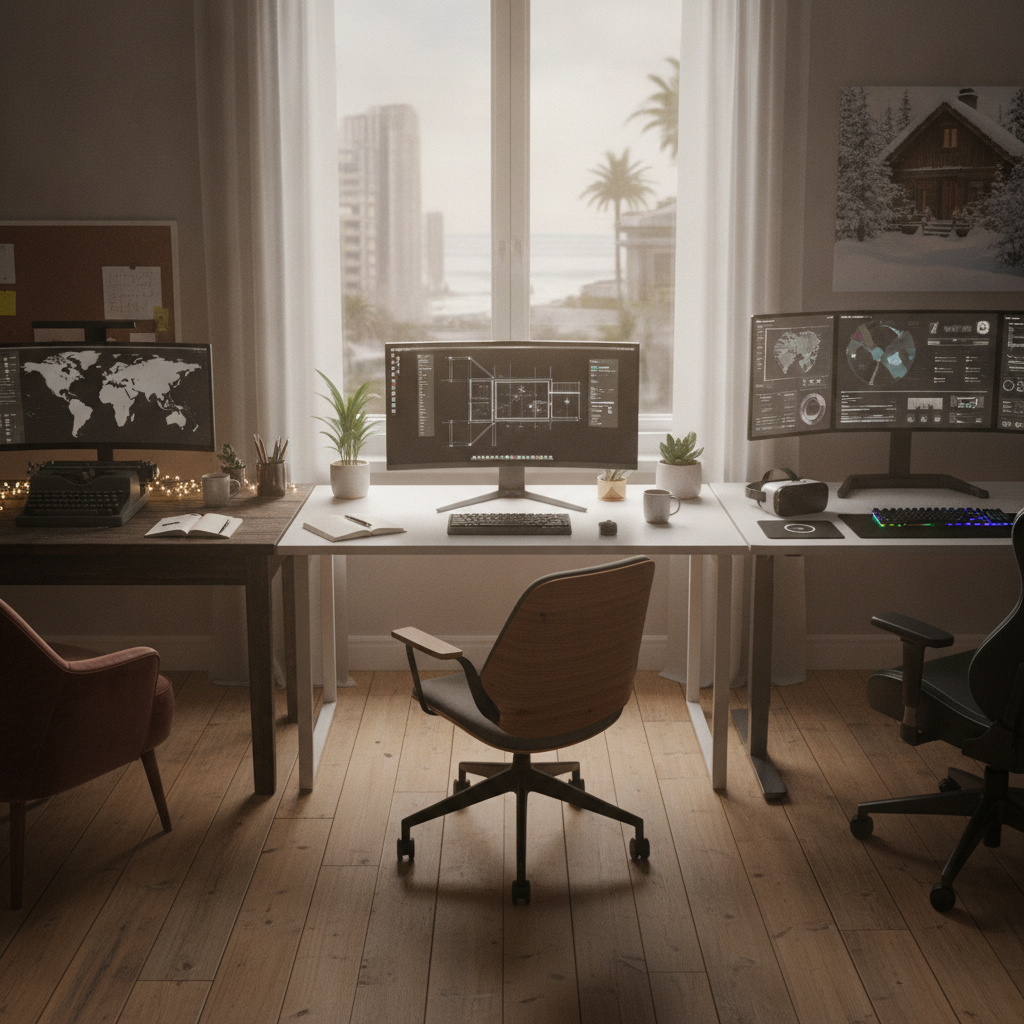
As remote work becomes a staple of professional life globally, individuals are reimagining their workspaces in creative and personalized ways. The shift from traditional office settings to home environments has sparked a revolution in workspace design, reflecting cultural preferences, individual personalities, and practical needs.
Across different regions, remote workers are embracing unique design elements that not only enhance productivity but also contribute to their overall well-being. From minimalist setups in Scandinavian homes to vibrant, eclectic corners in Latin America, the diversity in workspace aesthetics is as rich as the cultures they represent.
 Personalized Aesthetics and Functionality
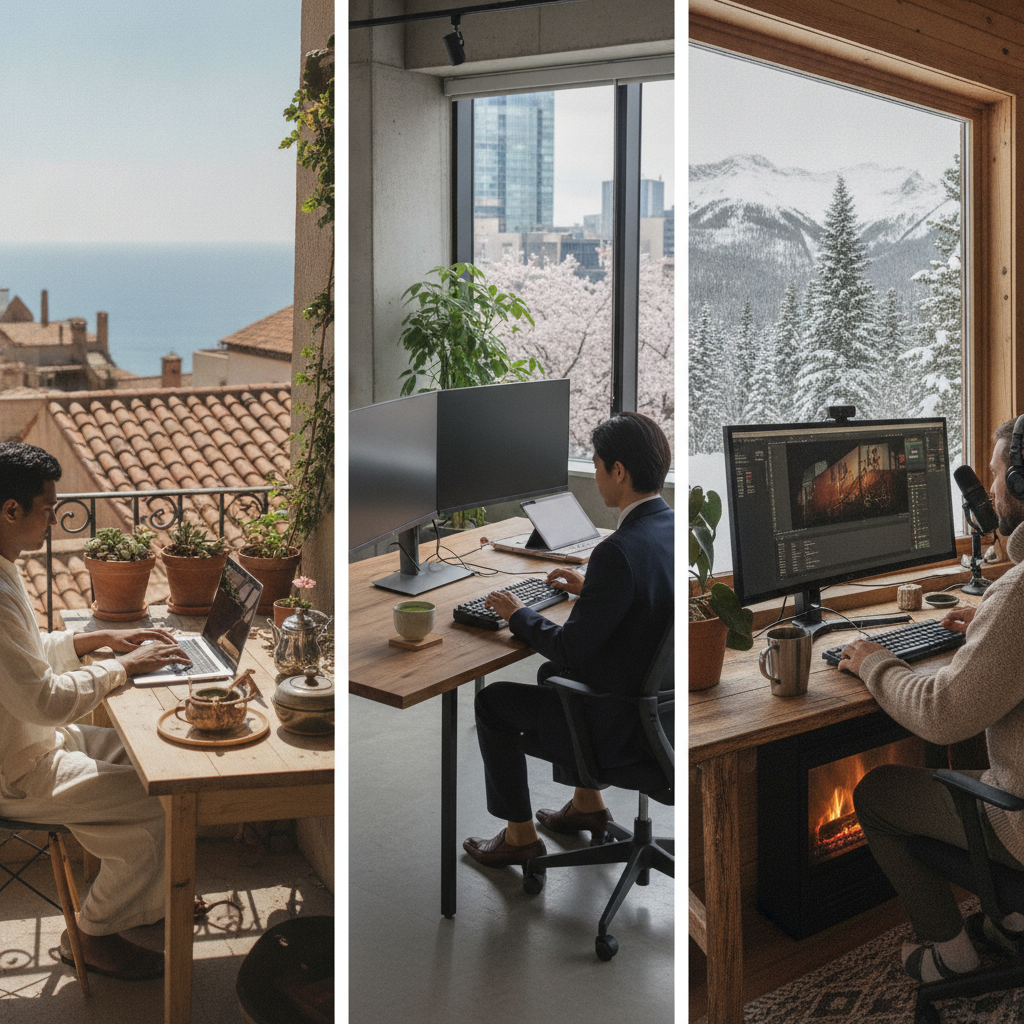
One of the most notable trends in workspace design among remote workers is the emphasis on personalization. Many individuals are integrating elements that resonate with their identities. For instance, in Asia, where minimalism is often prized, workers may opt for clean lines, neutral colors, and multifunctional furniture that promotes a clutter-free environment. In contrast, workers from the Mediterranean might choose warm tones and artistic decor that reflects their vibrant cultures, creating an inspiring atmosphere that fuels creativity.
The workspace is a reflection of who we are. It should inspire us and make us feel comfortable, regardless of where we are in the world.Flexibility and Ergonomics
As remote workers seek to balance comfort and productivity, ergonomic design has gained significant traction. In North America, for example, adjustable standing desks and ergonomic chairs have become staples, allowing workers to tailor their setups to their physical needs. Meanwhile, in countries with a warmer climate, like Australia, open-air workspaces or outdoor setups are popular, enabling workers to enjoy fresh air and natural light while remaining productive.
This focus on ergonomics and flexibility not only enhances physical health but also promotes mental well-being, as workers are encouraged to create environments that suit their working styles and habits.
The Role of TechnologyTechnology plays a crucial role in the design of remote workspaces. High-speed internet, advanced collaboration tools, and smart home devices have transformed how individuals create their work environments. In urban areas, where space is often limited, remote workers are utilizing technology to maximize efficiency in smaller spaces. This includes smart storage solutions, multifunctional tech, and clever organization systems that keep the workspace tidy and functional.
Globally, the blending of technology with workspace design reflects a shift towards a more innovative and adaptable approach to work. Workers are increasingly equipped to create effective environments that cater to their specific roles, whether they are in tech, arts, education, or other fields.
ConclusionAs the world embraces remote work, the diversity in workspace design highlights the individuality and creativity of remote workers across the globe. Each workspace tells a story shaped by culture, personal preference, and practical necessity. The ongoing evolution of these environments emphasizes the importance of creating spaces that not only support productivity but also foster well-being and personal expression.
In this new era of work, the workspace has transformed into a canvas where individuals can express themselves while adapting to the demands of their roles, proving that no two workspaces are alike in this vibrant global landscape.