The Impact of Desk Layout on Collaboration in Open Offices

Open office designs have revolutionized the way companies think about workspace. By breaking down walls, these layouts foster an environment that encourages communication and collaboration. However, the success of an open office is heavily dependent on the desk layout, which can either enhance or hinder teamwork. Poorly organized desks can lead to distractions, decreased productivity, and even stress among employees. Conversely, a well-considered desk arrangement can promote a seamless flow of ideas and ease of interaction. Companies like Google and Facebook are at the forefront of experimenting with innovative desk layouts in their open offices. Understanding the nuances of desk setups can, therefore, have a profound impact on collaborative success.
The Role of Desk Orientation in Team Synergy
Desk orientation plays a crucial role in shaping the dynamics of an open office. A study by Herman Miller, a recognized name in office furniture design, found that face-to-face desk arrangements significantly increase interaction among colleagues. This setup encourages spontaneous conversations, allowing team members to easily discuss projects and brainstorm ideas. However, it may also lead to disturbances, especially when the work requires intense concentration.
In contrast, side-by-side desk orientations can offer a compromise. By aligning desks in such a way, employees can maintain their personal space while still enjoying the benefits of easy communication. It eliminates the need for constant head-turning, which can be physically tiring over time. Companies like Atlassian have adopted this approach to balance interaction with privacy. They encourage teams to adjust desk positions to suit different projects, showing that flexibility in desk orientation can greatly enhance collaborative efforts.
It is essential for companies to assess the nature of the work being done when choosing desk orientations. Creative agencies may benefit from face-to-face setups that spark innovative ideas, whereas tech firms might prefer side-by-side desks that support concentrated coding efforts. The key is to align desk orientation with work requirements to foster optimal team synergy.
The Influence of Desk Accessories on Communication
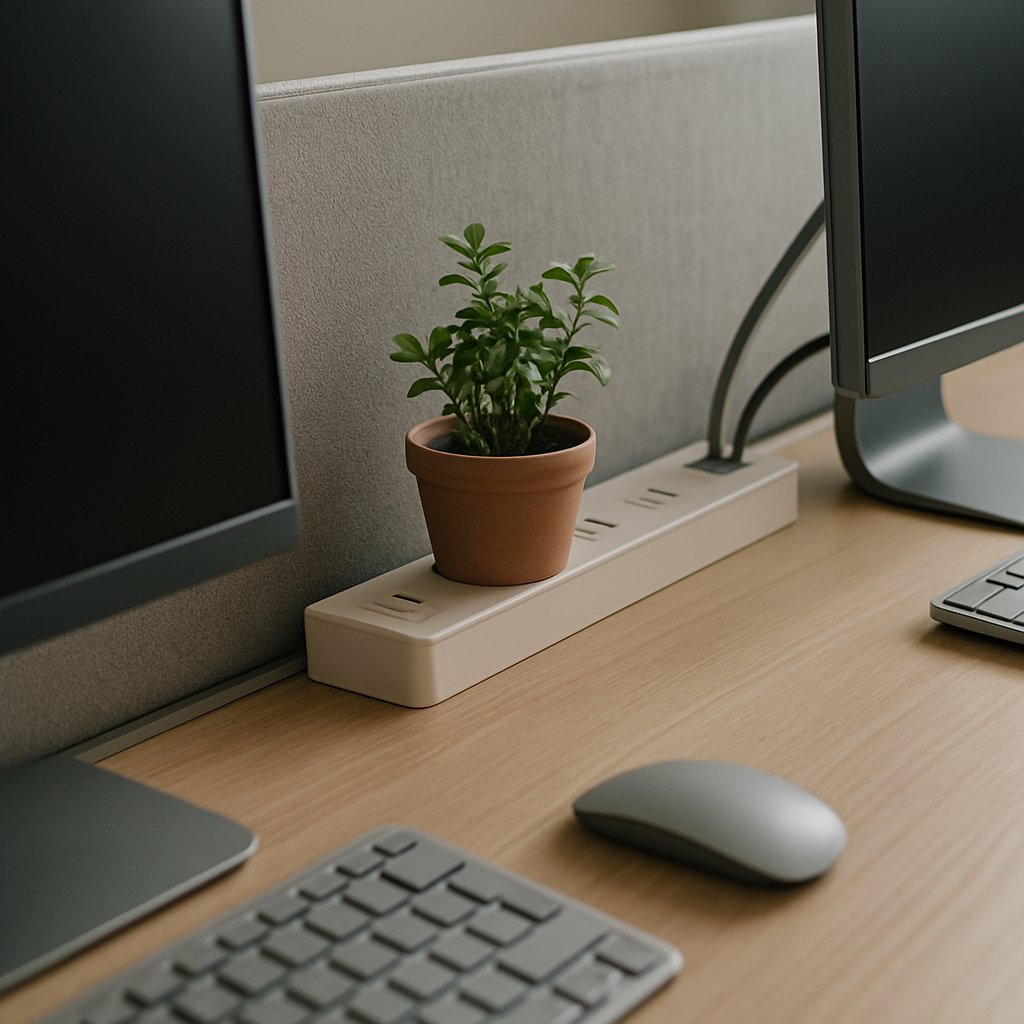
Beyond the basic arrangement of desks, the accessories that adorn them can also impact how team members collaborate. An open office without personalized desk items can feel sterile and uninviting, hampering the natural flow of communication. Google, for instance, allows employees to personalize their spaces with decor, gadgets, and even plants, creating a more dynamic and engaging working environment.
Accessories such as whiteboards and pin-up boards can also be strategically placed between desks to promote idea sharing. These tools serve as visual aids that help in aligning team goals. The presence of such items not only motivates employees to document their ideas but also encourages them to share and refine them collectively. A study by the University of Exeter found that offices with personalized and accessorized spaces increased workers' productivity and satisfaction by up to 32%.
However, it's important to strike a balance. Too many accessories may lead to clutter, which can be distracting and counterproductive. It is beneficial for companies to establish guidelines that allow for personalization without leading to chaos. By thoughtfully incorporating desk accessories, businesses can foster an environment that boosts both creativity and communication.
Privacy Considerations in Open Desk Layouts
Privacy remains a significant concern in open office designs, and how desks are arranged can address or exacerbate this issue. The lack of barriers in open layouts can lead to feelings of exposure and vulnerability, inhibiting open communication. To counter this, some companies employ partial partitions or strategically placed storage units as modesty panels, providing a sense of seclusion without isolating employees completely.
Salesforce, for example, uses adjustable screens and portable barriers that employees can personalize according to their needs. These partitions are particularly beneficial during phone calls or sensitive discussions, ensuring that privacy does not come at the cost of openness. Additionally, acoustic panels and noise-cancelling setups can be integrated to mitigate sound distractions.
The importance of privacy should not be underestimated, as its absence can lead to stress and reduce employee engagement. Research published in the Journal of Environmental Psychology highlights that a balance between openness and privacy in desk arrangements can significantly improve workplace satisfaction. Companies should consider the diverse needs of their workforce, offering adaptable solutions to ensure that individual privacy is respected while maintaining an open, collaborative environment.
Flexibility in Desk Configurations
The modern workplace demands flexibility, and desk configurations play a pivotal role in accommodating this need. Agile work environments require setups that can be easily reconfigured to match the evolving demands of projects and teams. Companies like WeWork, known for their co-working spaces, embrace this concept by incorporating modular desks that can be rearranged with minimal effort.
The ability to swiftly adapt desk layouts can enhance collaboration by aligning physical spaces with the functional needs of teams. For example, when a project moves from brainstorming to implementation, desks can be reconfigured to support either collaborative discussion or focused individual work. The fluidity of desk configurations ensures that the workspace remains relevant and conducive to the work at hand.
However, flexibility should not come at the cost of ergonomic considerations. Ensuring that desks are adjustable in height and layout supports not just productivity but also the well-being of employees. Studies, such as those by the American Journal of Industrial Medicine, emphasize the importance of ergonomic design in reducing workplace injuries. By marrying flexibility with ergonomic principles, companies can create a dynamic environment that caters to both collective and individual needs, enhancing both collaboration and health.
The Future of Desk Layouts in Open Offices
As companies continue to innovate their workspaces, the future of desk layouts in open offices looks promising. The ongoing development of smart office technology is set to revolutionize how we interact with our desks. Imagine desks equipped with sensors that adjust lighting based on your mood or optimize air quality to enhance focus. These technological advancements offer a glimpse into a future where offices are not just functional but intuitively responsive to human needs.
Moreover, the growing trend of hybrid work models demands a rethinking of traditional desk layouts. Companies like Microsoft are pioneering hybrid workspaces that cater to both remote and in-office employees, utilizing flexible and tech-enabled furniture solutions. This approach ensures that desk arrangements are not only about physical proximity but also about digital collaboration.
Incorporating concepts like biophilic design, which integrates natural elements into the workspace, is becoming increasingly popular. This approach not only improves aesthetic appeal but also enhances psychological well-being, thereby fostering a more collaborative and satisfying work environment. As the line between work and life continues to blur, the thoughtful design of desk layouts in open offices will play a crucial role in shaping the future of work, ensuring that these spaces remain not only functional but also inspiring.