Designing Desk Setups for Musicians: Mixing Creativity with Functionality
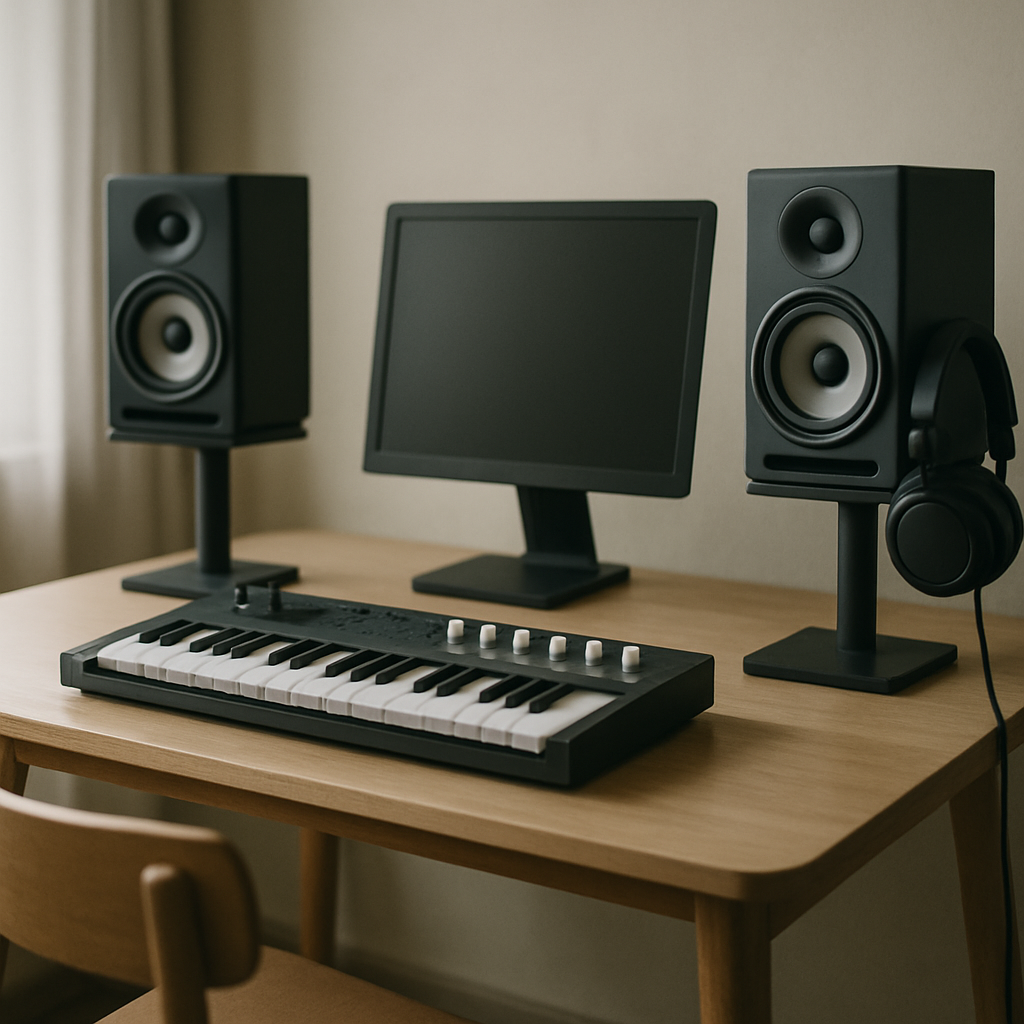
Musicians spend countless hours at their desks, whether composing, recording, or mixing tracks. A well-designed desk setup is crucial for maximizing creativity and efficiency. Beyond aesthetics, a musician's workspace must cater to technical needs and ergonomic comfort. When setting up a music workstation, it is essential to blend elements that foster inspiration with those that support technical execution. From choosing the right equipment to organizing your space, every detail contributes to an environment where creativity can thrive. A carefully curated desk setup not only fuels artistic output but also enhances productivity and well-being, offering a harmonious balance between innovation and practicality.
Ergonomic Considerations for Musicians
Ergonomics play a pivotal role in designing a musician's desk setup. Musicians often remain seated for extended periods, making it essential to ensure they maintain good posture to prevent long-term injuries. Companies like Herman Miller and Steelcase design chairs that offer superior back support, which can help maintain spinal alignment during hours of work. A desk with adjustable height, such as those made by Uplift Desk or Fully, allows musicians to switch between sitting and standing, promoting better circulation and reducing fatigue.
The placement of equipment is equally important. Instruments, keyboards, and mixers should be within easy reach to minimize unnecessary movements that can lead to strain. Adjustable monitor stands can help position screens at eye level, reducing neck strain. Additionally, integrating a keyboard tray under the desk can keep the hands and wrists in a neutral position, lowering the risk of repetitive strain injuries. Acoustic treatments can also contribute to a musician's health by preventing ear fatigue from prolonged exposure to loud volumes. By considering these ergonomic factors, musicians can create a workspace that supports both their physical health and creative pursuits.
Choosing the Right Equipment and Accessories
Selecting the right equipment is crucial for any musician's workspace. High-quality audio interfaces, studio monitors, and microphones from brands such as Focusrite, KRK, and Shure can significantly impact the quality of sound production. These tools must be chosen based on the specific needs of the musician, whether they are focusing on recording vocals, instruments, or electronic music production.
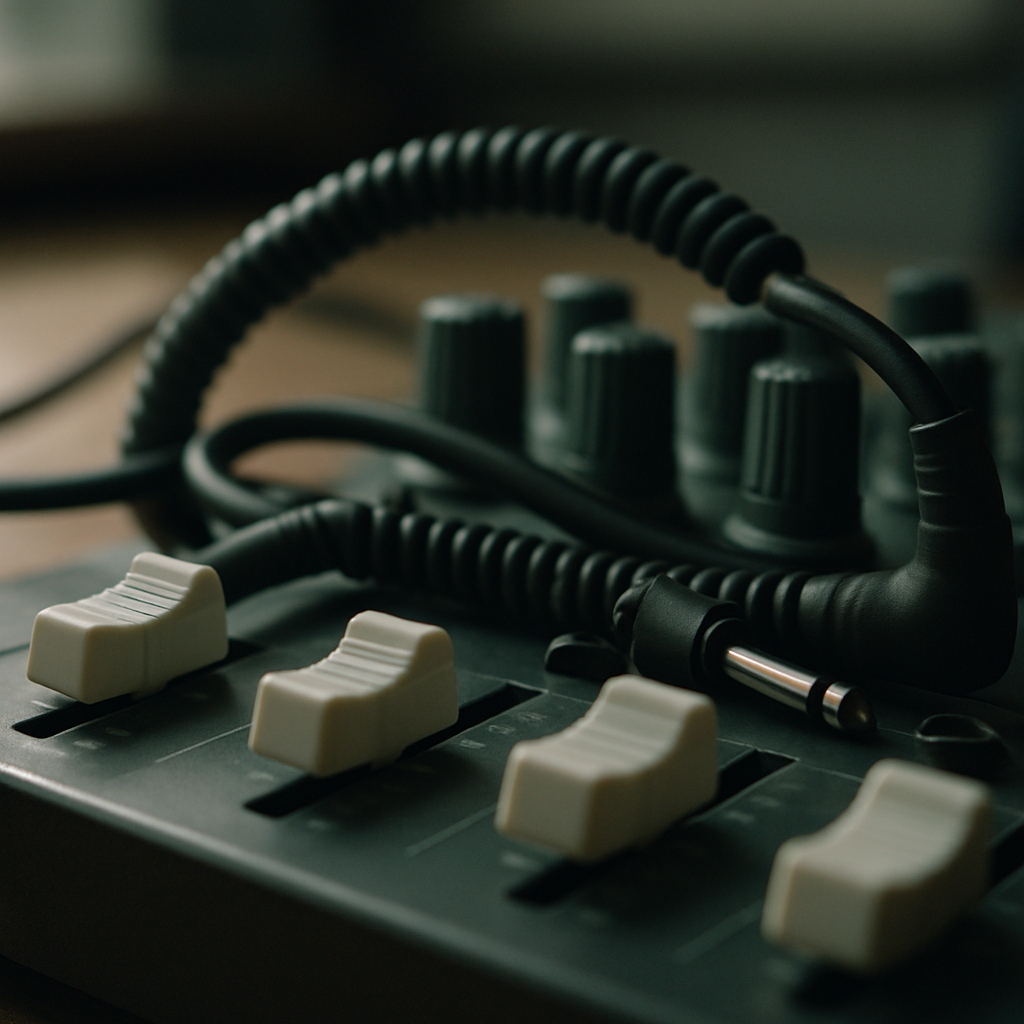
The organization of these tools is essential for maintaining a clear work environment. Studio furniture that provides ample space for equipment and accessories, such as desks from companies like Output or ZAOR, can help musicians keep their setups tidy and functional. Cable management solutions, including grommets and cable sleeves, can prevent a cluttered appearance and reduce the risk of tripping hazards. Accessories like headphone stands and mic arms also help maintain order, ensuring that everything has its place.
Incorporating multi-functional pieces, such as a rack-mounted power conditioner, can streamline your setup by providing clean power and surge protection to all your devices. These strategic choices in equipment and accessories form the backbone of a workspace that is both practical and conducive to creativity, allowing musicians to focus on their art without unnecessary distractions.
Acoustic Treatments for Optimal Sound Quality
Acoustic treatments are vital for musicians aiming to achieve superior sound quality in their workspace. Effective soundproofing can transform a room into an ideal recording environment, allowing for accurate monitoring and mixing. Acoustic panels and bass traps, available from companies like Auralex and GIK Acoustics, can significantly reduce unwanted reflections and standing waves, creating a more balanced sound throughout the room.
The positioning of these treatments is crucial. Panels should be placed at first reflection points—areas where sound from the monitors directly reflects off surfaces and reaches the listener's ears. This typically includes walls and ceilings around the desk area. Bass traps are best placed in corners where low frequencies tend to accumulate. Additionally, diffusers can be employed to scatter sound waves, enhancing the room's acoustics without over-dampening the sound.
Investing in good acoustic treatment not only improves sound quality but also protects the musician's ears. Accurate monitoring reduces the need for excessive volume levels, preventing hearing damage over time. By making these strategic acoustic adjustments, musicians can achieve a workspace that provides a clear and accurate audio representation, essential for professional-quality production.
Personalizing the Space for Creativity
Personalizing a workspace is essential for fostering a creative environment. Musicians often draw inspiration from their surroundings, and a desk setup that reflects their personality can ignite creativity. Incorporating personal touches, such as artwork, plants, or unique decor, can make a space feel inviting and stimulating. Companies like IKEA offer a range of customizable furniture and decor options, allowing musicians to tailor their environment to their tastes.
Adequate lighting is another crucial factor. Natural light can elevate mood and increase alertness, while adjustable LED lamps from brands like Philips or BenQ can offer task-specific lighting options suitable for different times of day or night. Color-changing LED strips can also add ambiance that complements the mood of the music being created.
Additionally, reducing digital distractions can enhance focus and creativity. Keeping digital devices organized and minimizing notifications helps maintain a workflow conducive to creativity. By designing a workspace that is both functional and inspirational, musicians can cultivate an atmosphere that supports the imaginative process, allowing ideas to flow freely and fostering a sense of personal connection to their work.
Maintaining an Organized and Efficient Workspace
An organized workspace is fundamental for efficiency and productivity. Clutter can be a significant barrier to creativity, so it's crucial to maintain an organized setup where everything has a designated place. Regular decluttering sessions can help keep the workspace tidy and streamlined. Companies like The Container Store offer various organizational tools such as shelves, bins, and drawer dividers that can be tailored to a musician's needs.
Software solutions can also play a role in maintaining organization. Digital project management tools like Trello or Asana can help musicians keep track of tasks, deadlines, and project progress. Labeling cables and equipment can also save time and reduce frustration, particularly when troubleshooting or making quick changes to the setup.
Regular maintenance of both the physical space and digital files ensures that the workspace functions smoothly. Cleaning equipment and updating software are small tasks that contribute to the overall efficiency of the workspace. By establishing routines for organization and maintenance, musicians can focus more on their creative output, enjoying a workspace that supports their artistic endeavors rather than detracts from them.