The Role of Textures in Creating a Visually Engaging Desk Setup
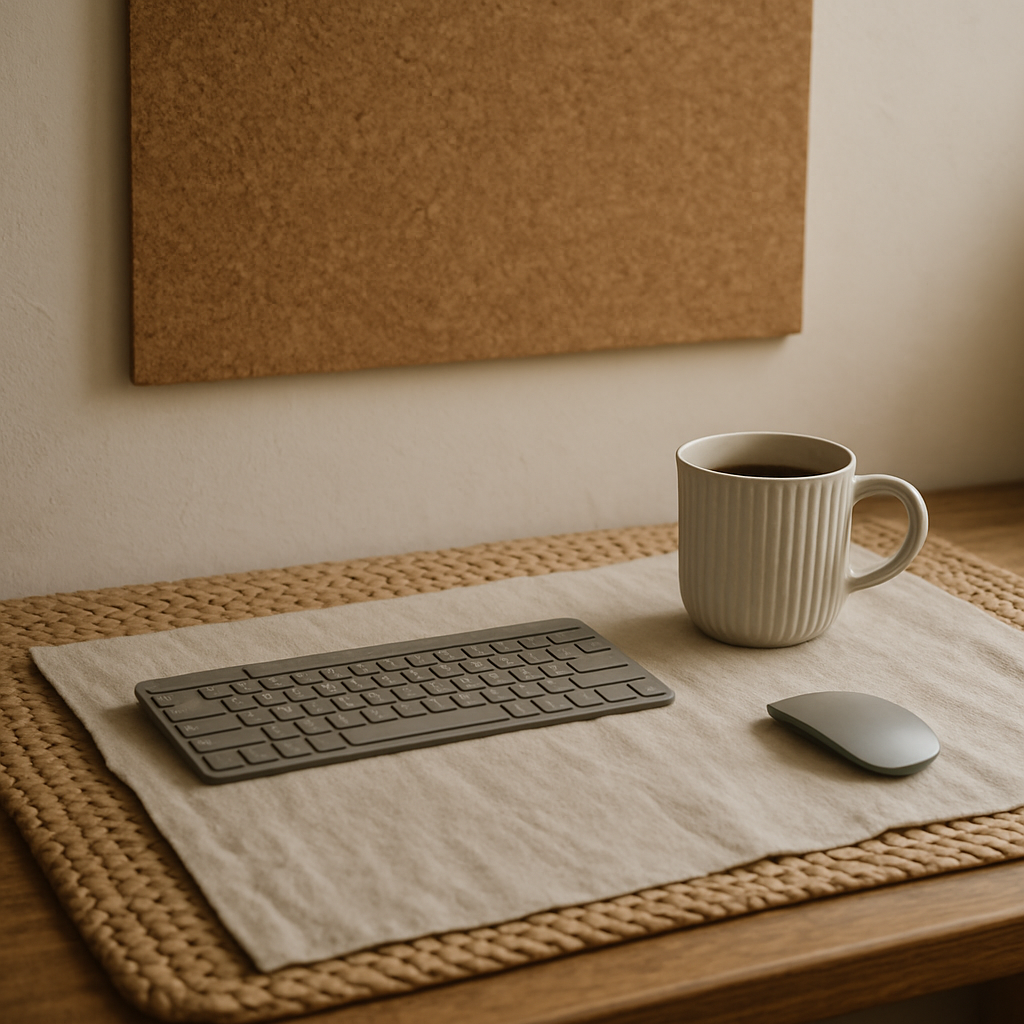
Creating a visually engaging desk setup goes beyond mere aesthetics; it involves a thoughtful blend of textures that can transform a workspace into an inspiring and functional environment. Textures add depth and warmth, enticing the senses and promoting productivity. Whether it’s the smooth finish of a polished wooden desk, the soft comfort of a woven fabric chair, or the tactile appeal of a corkboard, textures play a pivotal role in making a workspace feel complete. By consciously selecting and combining various materials, you can elevate your workspace from a mundane area to a dynamic setting that sparks creativity and motivation while maintaining ergonomic standards.
The Psychology of Textures in Workspaces
The interplay of different textures in a workspace can significantly influence how an individual feels and functions in that space. Research from the International Journal of Design suggests that tactile experiences can evoke emotional responses, which in turn affect productivity and satisfaction. Smooth, sleek surfaces like that of glass can inspire clarity and precision, often found in modern minimalist setups favored by tech companies like Apple. On the other hand, rougher materials like unfinished wood or stone can add a rustic, comforting vibe that has become popular in home offices seeking a more organic feel.
The choice of textures is not merely decorative; it also provides sensory feedback that can enhance an individual's connection to their workspace. The softness of a felt desk pad from companies like Grovemade can make a typing experience more enjoyable, while the hard, crisp edge of a metal lamp from Artemide can serve as a striking visual anchor. Such tactile contrasts can stimulate creativity by offering varied sensory inputs that keep the mind engaged and alert.
Haptic feedback, or the experience of touch, is crucial for creating any engaging environment. By strategically integrating different materials, employees and freelancers alike can carve out spaces that feel both personalized and professional. Thus, thoughtful texture selection can transform a simple desk into a vibrant hub of activity, improving both emotional well-being and work effectiveness.
Integrating Natural Elements for a Holistic Touch
Incorporating natural textures such as wood, stone, or plants is not just a design trend; it's a step towards creating a more holistic workspace. A study by the University of Exeter found that productivity increased by 15% when workers engaged with elements of nature in their workspace. Natural textures such as a bamboo desk or a solid oak chair can provide a grounding quality that synthetic materials often lack. Companies like Herman Miller have long advocated for biophilic design principles, which integrate natural elements into the workplace to improve overall well-being.
Adding plants or using wooden elements can be both aesthetically pleasing and psychologically beneficial. The tactile quality of a wooden mouse pad or the smooth stone surface of a paperweight can offer a grounding effect during stressful workdays. Living walls or vertical gardens, like those offered by Sagegreenlife, can bring a touch of nature into more confined spaces, creating an ambiance of calm and focus.
The warmth of natural textures contrasts well with modern technology, creating a more balanced and inviting workspace. This approach encourages a deeper connection with the surroundings, turning a sterile office environment into a vibrant, life-affirming space. The integration of natural textures not only enhances the visual appeal but also contributes to a sustainable and eco-friendly approach to workspace design.
Enhancing Desk Setups with Mixed Materials
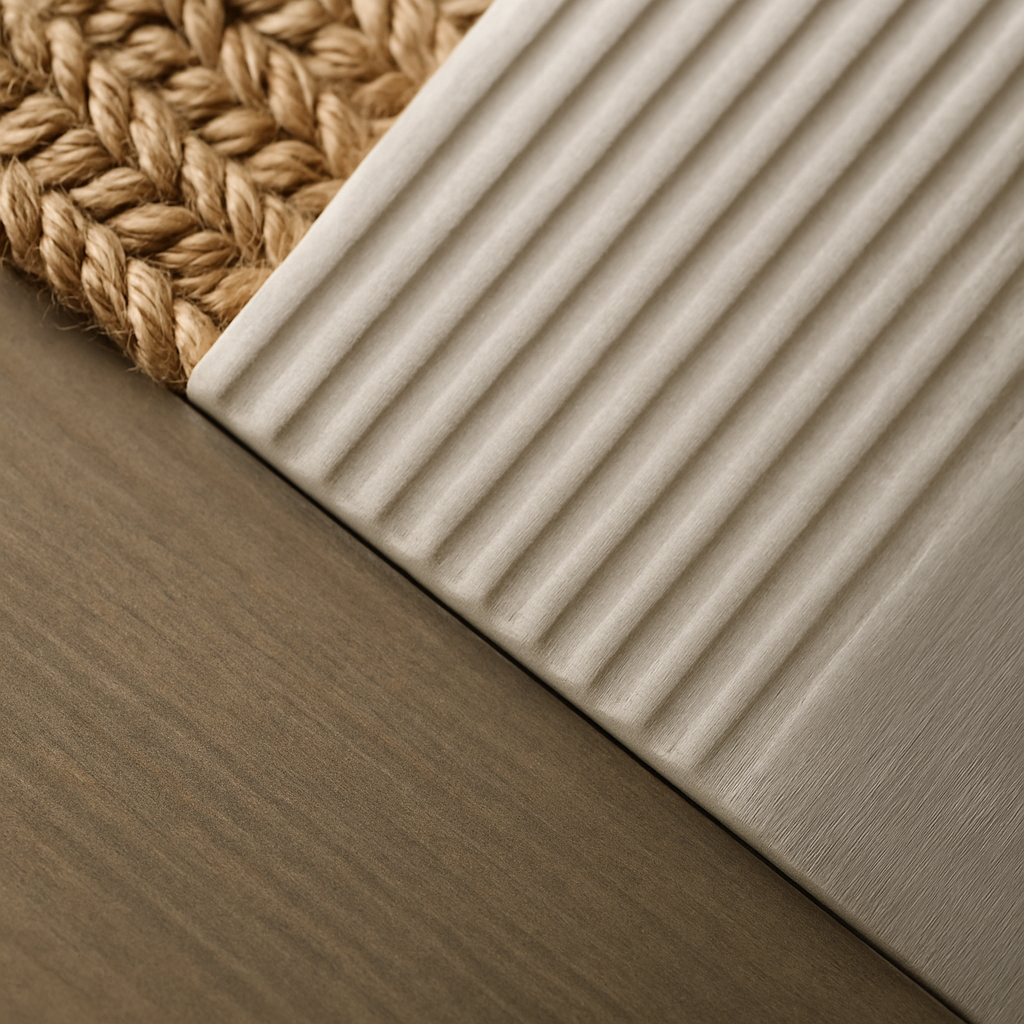
Leveraging a combination of materials can create a visually stimulating desk setup that balances aesthetics and functionality. Mixing materials like wood, metal, fabric, and glass can offer a multi-dimensional feel, keeping the workspace engaging and dynamic. An industrial-style desk lamp from a brand like West Elm, with its metal finish, can add an edgy touch, especially when paired with a reclaimed wood desk that offers warmth.
Fabric elements like upholstered chairs or velvet desk organizers from brands such as Muji can introduce softness, providing comfort during long work hours. Glass elements, on the other hand, such as a desktop organizer or a monitor stand from Uplift Desk, offer transparency and lightness, keeping the setup visually clean. The trick lies in balance; too many materials can make the space feel cluttered, while too few can make it feel monotonous.
Textural variety not only enhances the workspace's aesthetic but also improves its functionality. For example, a cork desk mat can serve as both a memo board and a protective surface for electronics. This concept of mixing materials ensures that the workspace remains versatile, adapting easily to different work tasks and personal preferences. By carefully curating a selection of textures, one can create a desk setup that is not only beautiful but also inherently functional.
The Role of Color in Textural Design
Color and texture are intertwined elements that, when combined effectively, can elevate a desk setup to new heights. The choice of color in textured materials plays a significant role in establishing the mood and tone of a workspace. For instance, a light-colored wooden desk can create an airy and open feel, while darker tones like walnut or mahogany can add richness and depth, often favored by traditionalists and those seeking a more formal atmosphere.
Textured colors, such as the vibrant threads in a handwoven desk mat or the muted tones in a ceramic pen holder, offer visual interest without overstimulation. Companies like Knoll emphasize the use of harmonious color palettes to complement their furniture designs, ensuring that the visual impact aligns with the desired atmosphere. Similarly, accent pieces from Ferm Living, like a brass desk lamp or a colorful fabric wall organizer, can introduce pops of color that break the monotony.
The psychological impact of color cannot be understated. Cool colors, like blues and greens, are known to promote calm and focus, making them ideal for high-pressure tasks. On the other hand, warmer colors like reds and oranges can energize and motivate, perfect for brainstorming sessions. By understanding how color and texture interact, one can create a desk setup that not only looks stunning but also supports various modes of work.
Practical Applications of Textural Design
Implementing textural design in desk setups doesn’t require a complete overhaul or significant investment. Small, thoughtful changes can make a substantial difference. Start by assessing the existing materials and identifying areas for improvement. For instance, if your desk is predominantly metal, introducing a wool desk pad or a leather mouse pad can add warmth and contrast. Such adjustments are not only easy to execute but also highly effective in transforming the overall experience of the workspace.
Companies like IKEA offer affordable options for those looking to experiment with textures without breaking the bank. A simple addition like a cork board or a fabric-covered pinboard can add both functionality and aesthetic value. For those inclined towards DIY projects, creating custom desk accessories with materials like rope or felt can inject personality and unique texture into the setup.
When integrating textures, it's essential to consider ease of maintenance. Some materials like leather or polished wood require regular upkeep to retain their appeal, while others like metal or glass are more forgiving. Thoughtful selection and placement of textures can lead to a more efficient workspace, eliminating clutter and enhancing organization. This focus on practical, yet stylish elements, ensures that the workspace remains not only visually engaging but also conducive to productivity.